
SmartThings
Screenshots
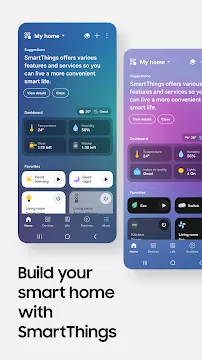
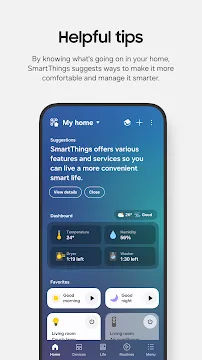
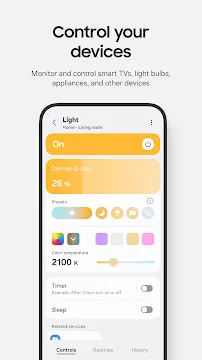
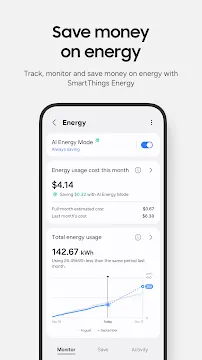
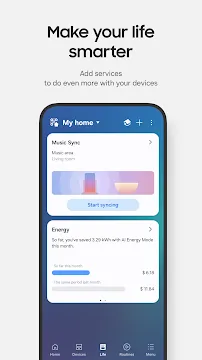
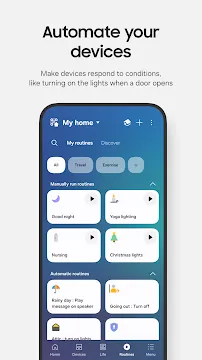
Samsung SmartThings App For Android makes your home smarter and your life easier. This app connects all your smart devices into one single place. You can control your lights, locks, and appliances from your smartphone screen. It works with many different brands, so you do not have to stick to just one company.
The app helps you build a custom environment that fits your daily routine. You can set up automation rules to save time and energy. For example, your lights can turn off automatically when you leave for work. The interface is clean and simple, which makes it easy for anyone to use.
How To Download And Install Samsung SmartThings APK For Android
Setting up a modern home often involves managing many different electronic devices. Samsung SmartThings helps you control these items from one place. While many people use official app stores, you might prefer to download the APK file directly. This method allows you to install specific versions or bypass certain store restrictions. Follow this guide to learn how to download and install the Samsung SmartThings APK on your Android device safely.
Prepare Your Android Device
Before you start the download, you must change a few settings on your phone. Android devices normally block installations from unknown sources to protect your security. You need to grant permission to your browser or file manager to install the APK file.
- Open the Settings menu on your Android phone.
- Scroll down and select Security or Privacy.
- Look for an option labeled Install Unknown Apps.
- Find your web browser in the list.
- Toggle the switch to Allow from this source.
Once you complete these steps, your device is ready to handle the installation file.
Download the SmartThings APK File
You need to find a reliable website to get the latest version of the app. Look for the most recent version, such as version 1.8.45.24, which released in April 2026. This version usually requires Android 12 or higher and at least 2GB of RAM to run correctly.
- Open your mobile browser.
- Visit Filetomob.com.
- Search for “SmartThings APK Download”.
- Navigate to the app page.
- Check the file size to ensure it is around 235 MB.
- Tap the download SmartThings APK button and wait for the process to finish.
- Check your notification bar to see the progress.
Install the Application
After the download finishes, you can begin the installation process. This part is quick and requires only a few taps.
- Open your File Manager app.
- Navigate to the Downloads folder.
- Tap on the SmartThings APK file you just downloaded.
- A pop-up window will ask if you want to install the application.
- Tap Install and wait for the status bar to reach the end.
- Click Open once the installation is successful.
Set Up Your Smart Home
Now that the app is on your phone, you can start connecting your devices. You will need a Samsung account to use all the features. Log in or create a new account to begin.
First, give the app permission to use your location and Bluetooth. These tools help the app find nearby smart devices like lights, TVs, or sensors. Next, tap the Plus (+) icon to add a new device. The app will scan your home network and list everything it finds. You can then organize these items into different rooms.
Why Use the APK Version?
Downloading the APK offers several benefits. Sometimes, the official store (Play Store, Galaxy store) might say your device is incompatible even if the hardware is strong enough. Using an APK lets you try the software anyway. Additionally, if a new update has bugs, you can use an APK to reinstall an older, more stable version. Always ensure you download files from trusted sites to keep your personal data safe. Follow these steps to enjoy a fully connected home experience today.
Getting Started With Samsung SmartThings For Android
Managing a modern home often feels like a full-time job. You have lights to turn off, temperatures to set, and appliances to monitor. Fortunately, Samsung SmartThings for Android provides a simple way to handle these tasks from your smartphone.
This guide helps you set up and use the platform to create a more efficient living space.
Prepare Your Mobile Device
Before you begin, ensure your Android phone is ready. Most modern Samsung Galaxy phones come with the app pre-installed. If you use a different Android brand, you can find the app in the Google Play Store.
- Check Your Software: Update your phone to the latest Android version to ensure compatibility.
- Create an Account: You need a Samsung account to log in. This account stores your settings and connects your devices.
- Enable Connections: Turn on your Wi-Fi and Bluetooth. The app uses these to find nearby hardware.
Step-by-Step App Setup
Once the app is on your phone, you must configure it for your specific home. Open the app and follow these steps:
- Grant Permissions: Allow the app to access your location and nearby devices. This helps it find smart bulbs or plugs.
- Select Your Location: You can create different “Locations” like “Home” or “Office.”
- Define Your Rooms: Grouping items into rooms makes them easier to find later.
How to Add New Devices
Adding a device is the most exciting part of the process. SmartThings supports thousands of brands thanks to its compatibility with the Matter standard.
Automatic Detection
Many new smart products use “Easy Setup.” When you plug in a new device, a pop-up often appears on your Android screen. You simply tap Add Now to link it.
Manual Addition
If the pop-up does not appear, follow this path:
- Tap the Devices tab at the bottom.
- Press the Plus (+) icon in the top right corner.
- Select Add Device.
- Scan the QR code on the product or search by brand name.
Master Your Daily Routines
Controlling devices one by one is helpful, but automation is where you save real time. Routines allow your home to react to your life automatically.
- Good Morning: Set your lights to brighten and your coffee maker to start at 7:00 AM.
- Leaving Home: Program your door to lock and the thermostat to turn down when your phone leaves the house.
- Movie Night: Dim the living room lights and turn on the soundbar with a single tap.
Enhance Your Home Security
Security is a primary reason many people choose this platform. You can connect cameras, motion sensors, and smart locks to stay informed.
- Live Alerts: Receive a notification if a door opens while you are at work.
- Video Feeds: View your doorbell camera directly on your phone or Samsung TV.
- Digital Keys: Use your phone to unlock compatible smart locks as you approach the door.
Explore the “Life” Tab
The Life tab acts as a dedicated section for specialized services. Instead of just controlling a single bulb, you can manage entire aspects of your lifestyle.
- SmartThings Energy: This tool monitors the electricity usage of your connected appliances. It provides a clear view of which devices consume the most power. You can set goals to reduce your monthly bills.
- Family Care: This newer feature helps you look after family members. You can receive alerts if a loved one does not interact with their devices by a certain time. It provides peace of mind without invading their privacy.
- Pet Care: If you have a compatible robot vacuum with a camera, you can check on your pets while away. You can even play music to keep them calm.
Use Advanced Automation Features
Once you feel comfortable with basic routines, you can try more complex configurations. The app now supports broader standards like Matter and HCA, which let different brands talk to each other more reliably.
Multi-Condition Routines
You can create “If/Then” scenarios that require more than one trigger. For example, you can program a routine where the hallway light turns on only if it is after sunset and the front door opens. This prevents lights from wasting energy during the day.
Location-Based Triggers
The app uses your Android phone’s GPS to create a “Geofence.” You can set the “Coming Home” routine to activate when you are one block away. By the time you park your car, your garage door opens, and your hallway is already lit.
Manage Your Hardware Efficiently
As you add more items, keeping them organized is vital for a smooth experience.
- Create Lighting Groups: If a room has five smart bulbs, do not control them one by one. Group them together so you can adjust the brightness of the entire room with a single slider.
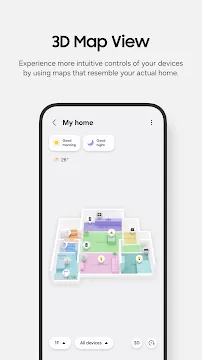
- Use the Map View: Modern versions of the app allow you to create a 3D layout of your home. You can place your devices on this map to see exactly where they are and check their status at a glance.
- Check Device History: If a light turns on unexpectedly, check the History section. This log shows exactly what triggered the action, whether it was a sensor, a timer, or another user.
Share Access With Others
You do not have to be the only person in control. You can invite friends or family to manage the home with you.
- Tap the Menu (three lines) and select Members.
- Choose Invite Member.
- Send a link or show a QR code for them to scan.
- Decide if they should have full control or restricted access to specific rooms.
By using these advanced tools, you turn your Android device into a professional-grade home management tool. You save energy, protect your family, and make your daily environment more comfortable.
Master Your Home with SmartThings for Android
The Samsung SmartThings app transforms your Android smartphone into a central command station. You can manage almost every electronic aspect of your living space with a few taps. This platform connects different technologies into one easy system. It works across various brands and device types to simplify your daily life.
Broad Device Compatibility
SmartThings supports an incredible range of hardware. You are not limited to just one brand. The app links seamlessly with the entire Samsung ecosystem. This includes Galaxy phones, tablets, and smartwatches. You can also control heavy appliances like refrigerators, ovens, and washing machines.
The system also welcomes third-party brands. You can connect popular products like:
- Philips Hue smart bulbs for perfect lighting.
- Ring video doorbells for enhanced security.
- Google Nest thermostats for climate control.
- IKEA smart sensors and plugs.
By using the Matter protocol, SmartThings ensures these different devices talk to each other without issues.
Automate Life with Scenes and Routines
Automation makes a home truly smart. The Scenes and Routines feature allows you to group actions together. You create a single trigger that starts multiple tasks at once.
- Good Morning Scene: Your bedroom lights fade in slowly. The coffee maker starts brewing. Your speaker reads the morning weather report.
- Leaving Home Routine: All lights turn off automatically. The thermostat lowers the temperature. The robot vacuum begins its cleaning cycle.
These routines save you time and remove small daily stresses. You focus on your day while your home handles the chores.
Total Control from One App
Managing your home hardware is straightforward. You can check the status of your devices from anywhere in the world. The interface categorizes your electronics for quick access.
You have direct control over:
- Lighting: Adjust brightness or change colors to match your mood.
- Climate: Change the temperature on your thermostat before you arrive home.
- Security: Lock your front door or view live feeds from indoor cameras.
- Maintenance: Monitor your robot vacuum or check if the dishwasher finished its cycle.
Never Lose a Device with SmartThings Find
If you own a Galaxy device, SmartThings Find is a vital tool. It helps you locate lost items quickly. You can see the last known location of your phone, tablet, or Buds on a map.
If a device is nearby but hidden, you can make it ring at maximum volume. Even if a device is offline, the network of other Galaxy users can help pinpoint its location securely. This feature provides massive peace of mind for expensive tech.
Smart Energy Monitoring
Saving money and electricity is easier with SmartThings Energy. This tool tracks how much power your appliances use in real-time.
- Detailed Insights: See which machine consumes the most energy.
- Usage Targets: Set monthly goals to keep your bills low.
- Smart Alerts: Receive a notification if you leave the oven on or if the fridge door stays open.
Seamless Voice and Car Integration
You do not always need to hold your phone to manage your home. SmartThings integrates with popular voice assistants. You can use Bixby, Google Assistant, or Alexa to give hands-free commands. Just say “Turn off the kitchen lights” to get the job done.
The Android Auto integration extends this control to your vehicle. While driving, your car’s dashboard becomes a remote.
- Open your garage door as you pull into the driveway.
- Turn on the porch lights before you park.
- Adjust the home AC while you are stuck in traffic.
This connectivity ensures your home is always ready for your arrival. SmartThings for Android makes modern living organized, efficient, and secure.
Samsung SmartThings: Best Uses & Examples
Samsung SmartThings transforms your Android phone into a command center for your living space. This platform connects different smart devices so they work together. You do not need to be a tech expert to set this up. Below are the best ways to use SmartThings on your Android device to make your life simpler and more efficient.
Automate Your Life with Arrival and Departure Routines
Geofencing is one of the most helpful features in the SmartThings app. It uses your Android phone’s GPS to know when you are home or away. You can set specific “routines” that trigger based on your physical location.
- Coming Home: As you drive into your driveway, SmartThings detects your phone. It can automatically unlock the front door, turn on the hallway lights, and set the thermostat to 22°C.
- Leaving for Work: When you drive away, the system senses your departure. It ensures all smart bulbs are off, adjusts the AC to save energy, and arms your security sensors.
This feature removes the need to double-check your locks or light switches every morning. It provides peace of mind while lowering your monthly utility bills.
Command Your Home with Google Assistant Voice Control
Your Android phone comes with Google Assistant built-in. SmartThings integrates perfectly with this voice technology. You can control your entire house without ever touching your screen.
If you are lying in bed and realize the bedroom fan is still spinning, just say, “Hey Google, turn off the bedroom fan.” The Assistant sends a signal to SmartThings, which then cuts the power to that specific device.
Common Voice Commands Include:
- “Hey Google, set the living room lights to 50%.”
- “Hey Google, is the front door locked?”
- “Hey Google, start the ‘Movie Night’ scene.”
This hands-free control is excellent when your hands are full of groceries or when you are busy cooking in the kitchen.
Use Android Home Screen Widgets for Fast Access
Opening an app takes time. SmartThings offers Android widgets that live directly on your home screen. These widgets act as “one-tap” buttons for your most frequent actions.
Instead of navigating through menus, you can press a small icon on your screen to trigger a “Scene.” A Scene is a group of actions that happen at once. For example, a “Goodnight” widget could turn off every light in the house and lock the back door instantly.
Widgets keep your favorite controls visible. You can resize them or group them into folders. This makes your Android interface feel like a custom-built remote control for your physical environment.
Stay Informed with Smart Notification Management
Information is the key to a secure home. SmartThings sends detailed alerts to your Android notification shade. These are not just generic buzzes; they provide specific context about what is happening.
- Security Alerts: Get a notification if a window opens while you are away.
- Device Reminders: Receive a ping if the refrigerator door stays open for more than five minutes.
- Motion Detection: See an alert if a sensor picks up movement in the backyard at night.
You can customize these alerts so they do not become annoying. Set them to “Critical” for security issues or “Silent” for routine tasks like the laundry finishing. This ensures you only see the information that truly matters at that moment.
Why SmartThings Works Better on Android
The Android ecosystem allows for deep integration. Because Samsung designs both the hardware and much of the software, the connection is stable and fast. You can even access SmartThings through the “Device Control” tile in your Android Quick Settings panel. This means you can dim the lights while looking at a different app or even while your phone is locked.
By using these four methods—geofencing, voice, widgets, and notifications—you turn a collection of gadgets into a cohesive system. Your home starts to anticipate your needs, making your daily routine feel smoother and more modern.
Samsung SmartThings: Routines vs. Scenes (And How to Use Both)
Smart home technology makes your life easier, but only if you know how to control it. If you use an Android phone, the Samsung SmartThings app is your command center. To master your home, you must understand two core features: Scenes and Routines.
While they might seem similar, they perform very different jobs. One requires you to act, while the other acts for you. Here is everything you need to know to automate your home like a pro.
The Core Difference: Scenes vs. Routines
Think of a Scene as a mood setter. It is a manual command. When you tap a button, multiple devices change at once. You are in total control of when it starts.
A Routine is an automated workflow. It does not wait for you to tap a button. Instead, it waits for a specific “trigger” to happen. Once that trigger occurs, the app finishes the task automatically.
What is a Scene?
A Scene groups several device changes into a single icon. You use Scenes when you want to change your environment instantly.
- Movie Night: Dims the living room lights to 10%, closes the smart blinds, and turns on the TV.
- Goodnight: Turns off every light in the house and locks the front door.
- Focus Time: Changes your smart bulb to a cool white color and turns off the radio.
What is a Routine?
A Routine is a “If This, Then That” logic flow. It connects your devices so they talk to each other without your help.
- Morning Routine: If the time is 7:00 AM, Then start the coffee maker and turn on the kitchen lights.
- Security Routine: If the motion sensor detects movement at night, Then turn on the porch light and send an alert to your phone.
How to Create a Routine on Your Android Phone
Setting up a Routine is simple on the Android version of the app. Follow these steps to build your first automation.
- Open the App: Launch SmartThings on your Galaxy or Android device.
- Find Automations: Tap the Automations tab located in the bottom menu bar.
- Start New: Tap the plus (+) icon and select Add Routine.
- Set the “If” (The Trigger): This is what starts the process. You can choose a time of day, a device status (like a door opening), or your GPS location.
- Set the “Then” (The Action): This is what you want to happen. You can tell a light to turn on, a speaker to play music, or even trigger a Scene you already made.
- Save: Give your Routine a name and hit save.
Smart Triggers and Actions to Try
You can get creative with your triggers to make your home feel truly smart.
- Weather Triggers: If the outdoor humidity exceeds 60%, turn on the dehumidifier.
- Member Location: If the last person leaves the house, turn off the air conditioner and arm the security system.
- Device Interactions: If the smart fridge door stays open for more than two minutes, flash the living room lights red.
Pro Tips for Android and Galaxy Users
If you own a Samsung Galaxy phone, you have extra tools at your disposal. You can bridge the gap between your home appliances and your mobile device.
Use Your Galaxy Watch
You can receive specific notifications on your wrist. For example, set a Routine so that when the washing machine finishes its cycle, a custom text appears on your Galaxy Watch. This ensures you never forget a wet load of laundry.
Combine with Modes and Routines
Samsung phones have a feature called Modes and Routines (formerly Bixby Routines). This controls phone settings. You can link this to SmartThings.
For instance, you can create a rule that says: If I arrive at my home GPS coordinates, Then change the phone ringtone to loud and turn on the hallway smart light. This creates a seamless experience between your mobile software and your physical hardware.
Use “Device Status” for Safety
Always use “Device Status” triggers for peace of mind. You can set a Routine to check if the stove is on or if a window is open when you leave for work. Using these simple logic steps turns a collection of gadgets into a helpful ecosystem.
Samsung SmartThings: Android Security and Privacy
Smart home technology makes your life easier, but it also raises questions about your personal information. When you use Samsung SmartThings on an Android device, the app interacts with your phone in several ways. This guide explains how the app handles your data and how you can keep your digital life secure.
How SmartThings Uses Your App Permissions
Android apps require specific permissions to perform their tasks. SmartThings asks for several types of access to ensure your smart home functions correctly.
- Location Access: This is one of the most important permissions. The app uses your location for geofencing. This feature allows your home to react when you arrive or leave. For example, your lights can turn on when you pull into the driveway.
- Nearby Devices: SmartThings needs this to find your hardware. It scans for hubs, smart bulbs, and sensors using Bluetooth and Wi-Fi. Without this, you cannot add new devices to your ecosystem.
- Notifications: These alerts keep you informed about your home status. You receive a message if a sensor detects motion or if you leave the refrigerator door open.
- Physical Activity: This permission is usually optional. The app uses it for specific SmartThings Find features. It helps the app understand if you are moving or stationary to improve the accuracy of lost device tracking.
Understanding Data Collection and Storage
Samsung follows specific rules regarding the information it gathers from your phone. Understanding these policies helps you make informed choices about your privacy.
What Information is Collected?
The app gathers data to improve its performance. This includes your device model, how often you use specific features, and your general usage patterns. If you grant permission, it also tracks your location. If you use Bixby voice commands through the app, Samsung processes those audio inputs to execute your requests.
Privacy Protections
Samsung states that it does not sell your personal data to third-party companies. This is a vital distinction in the world of smart technology. Instead, they use the data to refine the user experience and maintain the service.
Security Measures
Your data lives on the Samsung Cloud. To keep this information safe, Samsung uses encryption. The data remains encrypted while it moves from your phone to the server (in transit) and while it sits on the server (at rest). This multi-layered approach prevents unauthorized people from reading your private details.
Practical Android Privacy Tips
You can take control of your privacy by adjusting a few settings on your Android device. You do not have to accept every default setting.
1. Refine Your Location Settings
Android allows you to choose between “Precise” and “Approximate” location. If you do not need your lights to turn on the exact second you hit the doorstep, choose the approximate setting. This provides the app with enough data to function without tracking your exact coordinates.
2. Perform Monthly Permission Audits
Privacy needs change over time. Once a month, open your Android Settings. Navigate to the Apps section and find SmartThings. Tap on Permissions to see what the app can access. If you find a permission you no longer use, revoke it immediately.
3. Utilize Vacation Mode
When you leave for a long trip, you can pause your smart home activity. Use the “Pause routine activity” feature. This stops the app from constantly checking your status and reduces data generation while you are away.
4. Manage Voice Data
If you are concerned about audio privacy, review your Bixby settings. You can delete your voice command history within the Samsung account dashboard. This ensures that old recordings do not stay on the cloud indefinitely.
By following these steps, you enjoy the benefits of a smart home while maintaining a strong grip on your personal privacy. SmartThings offers many tools to help you manage your home, but you remain the ultimate gatekeeper of your Android data.
Connecting Samsung SmartThings with Google Assistant and Alexa
Samsung SmartThings transforms your Android phone into a command center for your home. You can manage lights, locks, and sensors from one interface. However, the true magic happens when you add voice control. Integrating SmartThings with Google Assistant and Amazon Alexa allows you to run your home without lifting a finger.
Linking SmartThings with Google Assistant
Google Assistant offers the most seamless experience for Android users. Since Google builds the Android operating system, the integration feels natural and fast. Follow these steps to connect them:
- Launch the Google Home App: Open the app on your Android device.
- Access Settings: Tap the plus (+) icon or go to the settings menu.
- Find Partner Services: Select Works with Google.
- Search for SmartThings: Type “SmartThings” into the search bar and select it.
- Authorize the Connection: Log in with your Samsung account credentials.
- Select Your Location: Choose the specific SmartThings “home” or “location” you want to sync.
- Finalize Sync: Your Samsung devices will now appear in the Google Home app. You can assign them to specific rooms immediately.
Voice Command Example: Simply say, “Hey Google, set the living room lights to 50%.”
Linking SmartThings with Amazon Alexa
Many people prefer Alexa because of its wide range of compatible smart speakers. The setup process is straightforward and happens within the Alexa app.
- Open the Alexa App: Navigate to the More tab at the bottom right.
- Enter Skills Menu: Tap on Skills & Games.
- Search for the Skill: Look for the “SmartThings” skill.
- Enable the Skill: Tap Enable to Use and enter your Samsung account details.
- Authorize Devices: Grant Alexa permission to access your SmartThings sensors and switches.
- Discover Devices: Alexa will automatically look for new hardware. If it does not start, say, “Alexa, discover my devices.”
Which Assistant Wins on Android?
Both assistants perform well, but they offer different strengths depending on how you use your phone.
Google Assistant: The Android Native
- Speed: Commands often process faster because the software lives deep within the system.
- Accessibility: You can trigger Google Assistant even when your screen is off.
- Consistency: It uses the same Google account you already use for your mail and calendar.
Amazon Alexa: The Smart Home Veteran
- Device Variety: Alexa often supports obscure third-party gadgets that Google might miss.
- Customization: The Alexa app allows for very complex routine building.
- Availability: If you own many Echo speakers, Alexa keeps your ecosystem unified.
Pro Setup: Building Cross-Platform Routines
You do not have to choose just one assistant. Smart users often combine both to get the best results. You can use SmartThings as the primary brain and use the assistants for different tasks.
Using Virtual Switches
SmartThings allows you to create “Virtual Switches.” These are software-based buttons that do not exist physically. You can set a rule where turning on a virtual switch in SmartThings triggers a complex routine in Alexa. This bypasses many compatibility limits.
Google Household Routines
Use Google’s “Household Routines” to coordinate your family. You can set a “Good Night” routine that locks the doors via SmartThings, dims the lights, and sets your phone to “Do Not Disturb” simultaneously.
Tips for a Better Experience
- Name Devices Clearly: Give your devices unique, simple names. Avoid names like “Light 1” and “Light 2.” Use “Kitchen Pendant” instead.
- Organize by Room: Ensure both SmartThings and your voice assistant assign the device to the same room. This prevents confusion during voice commands.
- Check for Updates: Regularly update the SmartThings app and your assistant apps. Developers frequently release patches that improve connection stability.
- Avoid Redundancy: Do not give a SmartThings routine the exact same name as a Google Home routine. This can cause the assistant to trigger both at once, leading to errors.
By following these steps, you turn your Android device into a powerful tool for home management. You gain total control over your environment through simple voice commands and automated logic.
Frequently Asked Questions about Samsung SmartThings for Android
What is Samsung SmartThings on Android?
Samsung SmartThings is a mobile app for smart home control. It lets you connect and manage devices from different brands.
You can:
- Turn devices on or off
- Control lights and switches
- View security cameras
- Set automations
- Check device status
It works directly from your Android phone.
Which devices work with SmartThings?
SmartThings supports many smart devices. It works with Samsung products and also other compatible brands.
Common supported devices include:
- Smart TVs
- Smart bulbs
- Smart plugs
- Security cameras
- Smart speakers
- Sensors (motion, door, temperature)
Before adding a device, check if it supports SmartThings connection.
How do I add a device in SmartThings?
Adding a device is simple. Follow these steps:
- Open the SmartThings app
- Tap the “+” button
- Select “Add device”
- Choose your device type
- Follow the on-screen steps
Make sure Bluetooth and Wi-Fi are turned on. Keep the device close during setup.
Can I control devices when I am away from home?
Yes, you can control devices remotely. You only need an internet connection.
This allows you to:
- Turn off lights from outside
- Check cameras in real time
- Control home appliances
- Receive alerts
Remote access helps you manage your home from anywhere.
What are SmartThings automations?
Automations let your devices work automatically based on conditions.
For example:
- Turn on lights at sunset
- Switch off AC when you leave home
- Start air purifier when air quality drops
You can set rules inside the app using simple options. This reduces manual control.
Does SmartThings work without Wi-Fi?
Most features need Wi-Fi or mobile data. Without internet, remote control will not work.
However, some local device actions may still work if they are directly connected through Bluetooth or local network.
For full control, a stable internet connection is important.
Is Samsung SmartThings free?
Yes, the app is free to download and use. You do not need a subscription for basic features.
Some advanced smart devices may require their own paid services, but SmartThings itself does not charge for normal use.
Why is SmartThings not detecting my device?
If a device is not found, check the following:
- Make sure Bluetooth is on
- Confirm Wi-Fi connection
- Restart the device
- Move closer to the device
- Check if the device supports SmartThings
Often, a simple restart solves the issue.
Can I use SmartThings with non-Samsung phones?
Yes. SmartThings works on most Android phones. It is not limited to Samsung devices.
You only need:
- Android OS
- Internet connection
- Compatible smart devices
How do I improve SmartThings performance?
You can improve performance with simple steps:
- Keep the app updated
- Use a strong Wi-Fi network
- Remove unused devices
- Restart the app when needed
- Check device firmware updates
These steps help reduce delays and connection issues.